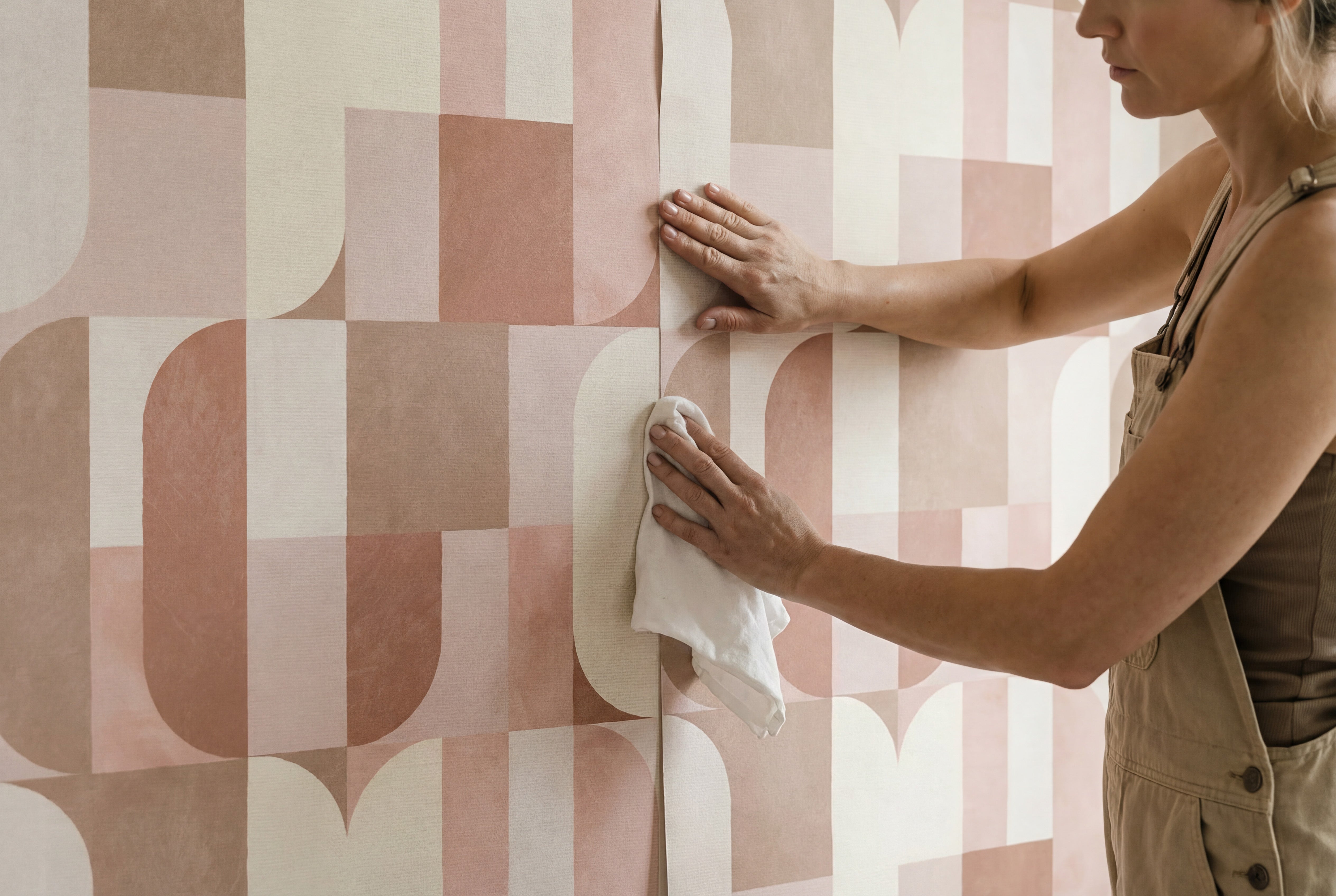

Article: How to Prepare Your Walls Before Hanging Wallpaper: The Complete Guide
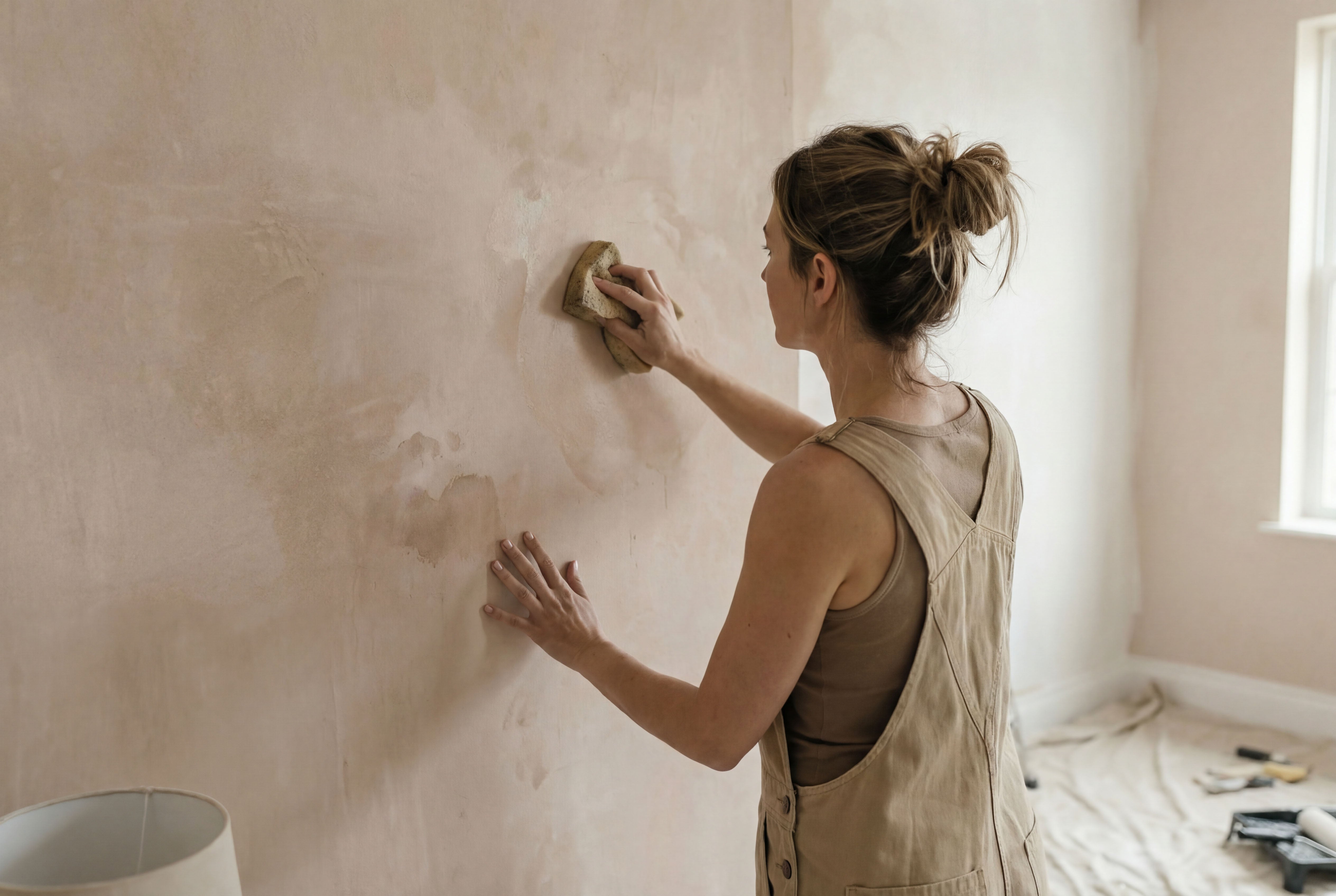
How to Prepare Your Walls Before Hanging Wallpaper: The Complete Guide
Proper wall preparation is the foundation of flawless wallpapering. Whether you are installing a bold feature wall in a modern apartment or refreshing a bedroom in a countryside cottage with sympathetic floral designs, knowing how to prepare your walls before hanging wallpaper ensures a smooth finish, strong adhesion and long-lasting results.
This guide explains every step, from removing old wallpaper to priming fresh plaster, helping you achieve a professional standard finish.
Why Wall Preparation Matters
Even the most expensive wallpapers will not perform well if applied to poorly prepared surfaces. Inadequate preparation can lead to:
- Bubbling and lifting
- Visible bumps and imperfections
- Poor adhesion
- Peeling at the seams
- Uneven pattern alignment
Taking time to prepare your walls properly protects your investment and enhances the final result.
Step 1: Remove Old Wallpaper Completely
How to Strip Existing Wallpaper
If your walls already have wallpaper:
- Score the surface lightly with a wallpaper scorer.
- Apply warm water or a wallpaper stripping solution.
- Allow it to soak in.
- Use a scraper to remove all layers.
For stubborn paper, a wallpaper steamer can speed up the process. Ensure all adhesive residue is washed off afterwards.
Tip for UK homes: Many older properties have multiple layers of paper. Remove everything back to the plaster for best results.
Step 2: Clean the Walls Thoroughly
Once stripped, clean the surface to remove:
- Dust
- Grease
- Old paste residue
- Nicotine stains
Use warm water with mild sugar soap and allow the wall to dry completely.
Clean walls allow the wallpaper adhesive to bond properly.
Step 3: Repair Imperfections
Fill Cracks and Holes
Inspect the wall under natural light. Look for:
- Hairline cracks
- Nail holes
- Dents
- Uneven plaster
Use a suitable interior filler and apply with a filling knife. Once dry, sand the area smooth with fine sandpaper.
Run your hand across the surface to check for bumps. Wallpaper highlights imperfections, particularly with flat or lightly textured designs.
Step 4: Sand the Entire Surface Lightly
Even if walls appear smooth, lightly sanding ensures:
- Better adhesion
- Removal of minor surface inconsistencies
- A consistent finish
After sanding, wipe down with a damp cloth to remove dust.
Step 5: Seal New Plaster Properly
Preparing Fresh Plaster Walls
New plaster must be fully dry before wallpapering. In UK conditions, this can take several weeks depending on ventilation and temperature.
Do not apply wallpaper directly onto bare plaster. Instead:
- Apply a mist coat using diluted emulsion paint.
- Allow it to dry fully.
This seals the surface and prevents paste from soaking in too quickly.
Step 6: Prime Painted Walls
If your wall is already painted:
- Ensure the paint is sound and not flaking.
- Wash the surface to remove residue.
- Lightly sand glossy finishes to create grip.
For best results, apply a wallpaper primer or lining paper to create a uniform base.
Step 7: Consider Lining Paper
When to Use Lining Paper
Lining paper is particularly useful in:
- Period UK properties
- Slightly uneven walls
- Rooms with minor surface imperfections
Benefits include:
- Smoother finish
- Improved insulation
- Reduced risk of shrinkage gaps
- Better durability
Hang lining paper horizontally to reduce visible joins beneath patterned wallpaper.
Step 8: Ensure Walls Are Fully Dry
Never hang wallpaper onto damp walls. Moisture can cause:
- Adhesion failure
- Mould growth
- Staining
In UK homes, especially during colder months, allow sufficient drying time and ventilate the room properly.
Step 9: Create the Right Surface Colour
If installing light-coloured wallpaper:
- Ensure wallpaper is applied onto a light surface
If Installing dark-coloured wallpaper:
- Seams may become visible if a dark wallpaper is applied to light colour walls. Create a dark base if the wallpaper isn’t suitable for overlap hanging.
Common Wall Preparation Mistakes
- Hanging wallpaper over existing paper
- Ignoring small cracks
- Skipping sanding
- Applying wallpaper to bare plaster
- Working on damp surfaces
Preparation may seem time-consuming, but it dramatically improves the final finish and ensures your wallpaper will remain adhered to the wall.
Quick Preparation Checklist
Before hanging wallpaper, confirm:
- Old wallpaper fully removed
- Walls cleaned and degreased
- Cracks and holes filled
- Surface sanded smooth
- Plaster sealed
- Primer or lining paper applied if needed
- Walls completely dry
Final Thoughts: Preparation Creates Perfection
Understanding how to prepare your walls before hanging wallpaper ensures a professional, long-lasting finish. Whether you are installing a contemporary botanical print or a timeless heritage design, careful preparation transforms the outcome. Now that you have prepared your walls - learn how to measure your walls, to ensure you have all the wallpaper you need for your project.
Thank you for reading!
Peter Carlin
Esselle Home | Wallpaper & Fabric Technical Manager
Peter Carlin is the Technical Wallpaper Manager at Esselle Home, bringing over a decade of hands-on industry experience to the brand. With extensive knowledge of substrates, installation methods and wall preparation, Peter ensures every collection meets the highest standards of quality and finish.